In modern architecture and living spaces, garages are no longer merely shelters for vehicles; they also serve multiple functions, including storage, environmental buffering, and energy conservation. Against this backdrop, the importance of insulated garage doors is increasingly prominent. They not only continue the protective functions of traditional garage doors but also provide crucial support for spatial comfort, energy efficiency, and asset protection through superior thermal insulation and sealing performance.
Firstly, insulated garage doors play an irreplaceable role in maintaining a stable internal environment. Utilizing a double- or multi-layer composite structure filled with high-insulation materials such as polyurethane foam and rock wool, they significantly reduce the rate of heat conduction between the inside and outside. In cold seasons, they reduce heat loss from the garage interior, preventing vehicle starting difficulties and pipe freezing; in hot seasons, they block external heat radiation, preventing excessively high interior temperatures and accelerated aging of electronic components. For garages connected to living spaces, this temperature buffer also reduces the load on the residential heating and cooling systems, thereby saving energy consumption.
Secondly, insulated garage doors enhance the protection level and lifespan of the space. High-quality insulated garage doors feature multiple sealing strips between the door body and frame, forming a continuous, airtight seal that effectively blocks the intrusion of wind, rain, moisture, dust, and noise. This not only provides a cleaner and quieter storage environment for vehicles and valuables but also reduces metal corrosion and material deterioration caused by moisture, extending the overall lifespan of garage facilities.
Furthermore, from an energy and environmental perspective, the importance of insulated garage doors lies in their alignment with green building principles. By reducing heat exchange between the garage and the main building, it indirectly reduces the operating time and energy consumption of air conditioning and heating equipment, contributing to carbon emission reduction. Simultaneously, insulated doors commonly use recyclable metals and environmentally friendly core materials, meeting the requirements of sustainable construction for material recycling.
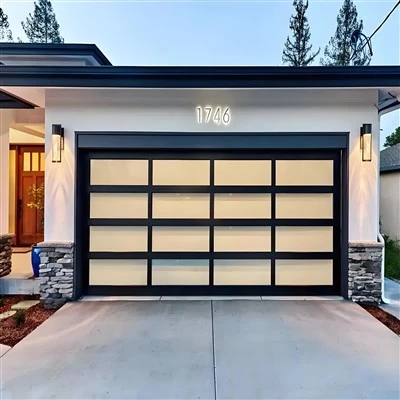
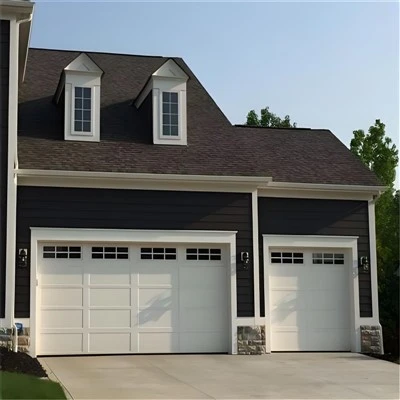
Finally, in terms of property value and living quality, insulated garage doors provide residences with greater comfort and security, becoming a practical feature that enhances property value. Their sturdy appearance and diverse surface treatments can also be integrated into the aesthetics of building facades, strengthening the overall image.
In summary, insulated garage doors play an important role in environmental control, protection and durability, energy conservation and consumption reduction, and quality improvement. They are an indispensable functional component in modern residential buildings and supporting buildings, and their importance will continue to deepen as people pursue a comfortable, safe and sustainable lifestyle.