When managing multi-family developments, subdivision projects, or commercial complexes, ordering garage doors in bulk requires balancing budget constraints with long-term property liability. While the lowest upfront invoice is attractive, it often overlooks the hidden operational expenses of maintenance, energy loss, and early replacements.
To maximize ROI, procurement managers must evaluate Initial Purchase Cost (Capex) against Life-Cycle Cost (Opex). Here is how the three primary bulk options compare.
1. Single-Layer (Pan) Steel Doors: The Lowest Upfront Capex
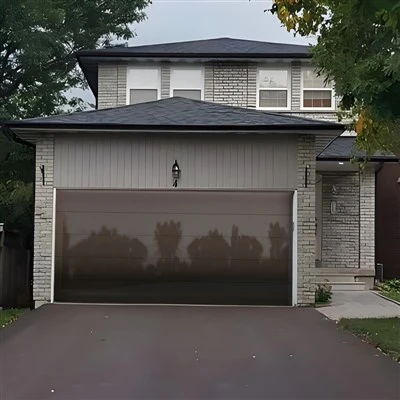
Single-layer steel doors consist of a single sheet of stamped galvanized steel without any backing. They represent the absolute baseline for volume-driven residential projects.
| Cost Factor | Evaluation |
| Initial Cost | Lowest. The most budget-friendly option per unit for large-scale production housing. |
| Life-Cycle Cost | High. Zero thermal efficiency leads to high energy bills for heated/cooled garages. Vulnerable to interior panel damage. |
| Durability | Moderate. Prone to denting from minor impacts (e.g., basketballs or trash bins) if using low-gauge steel. |
The Life-Cycle Nuance
Single-layer doors are highly cost-effective only if the garage is unconditioned (non-insulated) and located in a mild climate. In extreme weather zones, the absence of an insulation core causes the metal panels to transfer heat directly, forcing the building's HVAC systems to overwork, which degrades the building's overall energy rating.
2. Double or Triple-Layer Insulated Steel Doors: The Balanced Bulk Standard
These doors feature a steel exterior backed by polystyrene or polyurethane insulation, often sandwiched between two steel sheets (triple-layer). This is the standard for modern commercial and multi-family specifications.
| Cost Factor | Evaluation |
| Initial Cost | Moderate. Requires a 15% to 30% premium over single-layer doors, depending on the R-value specified. |
| Life-Cycle Cost | Low. High thermal efficiency reduces energy expenditure. The interior backing protects the door structure. |
| Durability | High. The insulation core acts as a shock absorber, making the panels significantly more dent-resistant. |
The Life-Cycle Nuance
While the upfront cost is higher than pan doors, insulated steel offers a lower total cost of ownership (TCO) over a 10-year timeline. The structural rigidity prevents the alignment issues that frequently plague flimsy single-layer doors, drastically reducing post-installation warranty callbacks for contractors.
3. Aluminum Glass Garage Doors: Premium Upfront for Long-Term Architectural Value
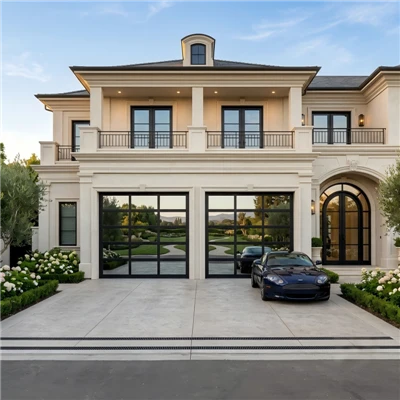
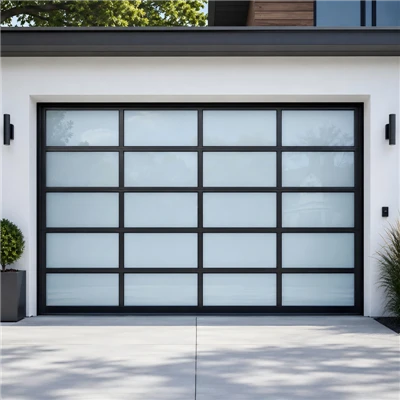
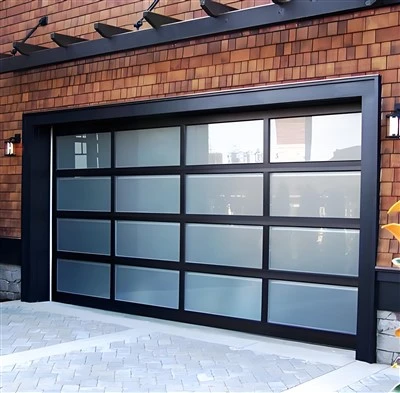
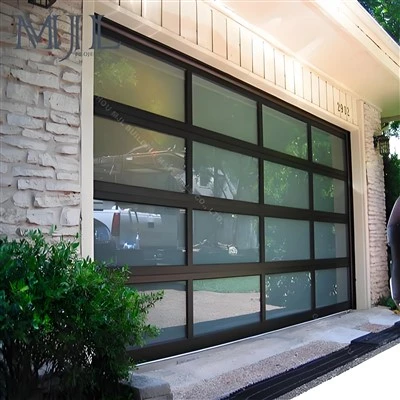
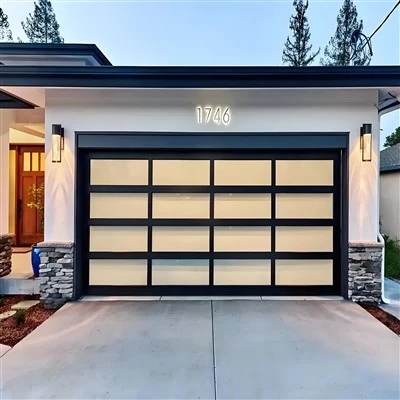
Constructed with heavy-duty aluminum extrusions and integrated glass sections, these doors are specified for modern architectural aesthetics, high-end residential communities, and commercial storefronts.
| Cost Factor | Evaluation |
| Initial Cost | High. Materials and manufacturing complexities demand a premium investment for volume orders. |
| Life-Cycle Cost | Extremely Low. Aluminum is naturally rust-proof. Eliminates the localized corrosion issues common with steel. |
| Durability | High structural lifespan. The frame resists warping, though glass specifications must be matched to local wind-load requirements. |
The Life-Cycle Nuance
Aluminum glass doors are the most cost-effective choice for coastal projects or high-humidity environments. If steel doors are installed near saltwater, marine-grade corrosion will necessitate complete replacement or costly rust-remediation within 5 years. Aluminum eliminates this Opex. Furthermore, the aesthetic value drives higher property appraisal and rental premiums, offsetting the initial investment.
The Verdict: How to Align Your Project Budget
1.Specify Single-Layer Steel when: The project involves volume-built starter homes, detached unheated garages, or tight-budget storage facilities where upfront Capex is the absolute driving factor.
2.Specify Insulated Steel when: You are engineering multi-family units or standard commercial warehouses that require climate control and a lower 10-year maintenance profile without premium pricing.
3.Specify Aluminum Glass when: The project demands premium modern curb appeal (e.g., luxury condominiums, auto-dealerships) or is located in severe coastal environments where steel fails prematurely.