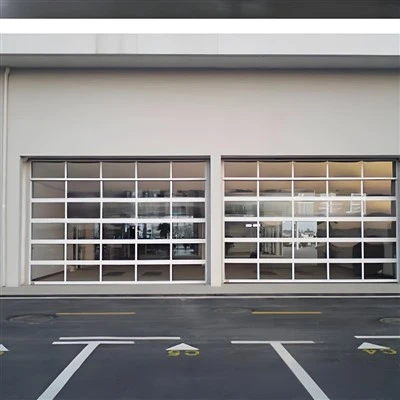
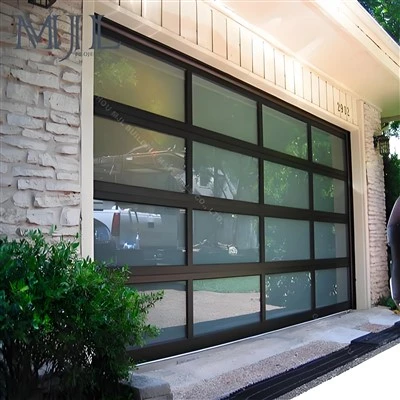
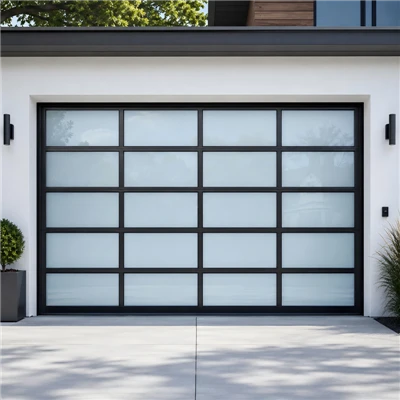
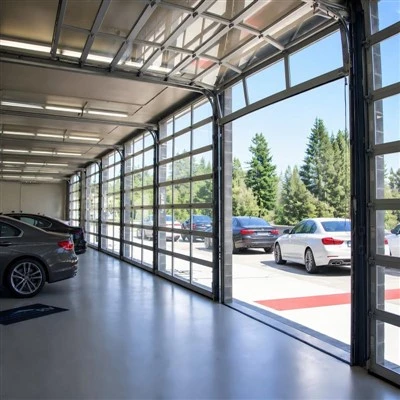
Choosing the right glass for a garage door affects privacy, natural light, thermal performance, safety, and the overall appearance of a building. For homeowners, architects, contractors, and garage door distributors, the decision involves more than selecting a clear or frosted panel. Glass construction, frame design, opening dimensions, and the intended use of the space all need to be considered together.
For projects that require a specific appearance or non-standard dimensions, working with a custom glass garage door manufacturer can make it easier to coordinate glass options, aluminum frames, panel layouts, and production requirements before manufacturing begins.
This guide explains the main glass types used in garage doors, how they differ, and what to consider when sourcing custom glass garage doors for residential and commercial projects.
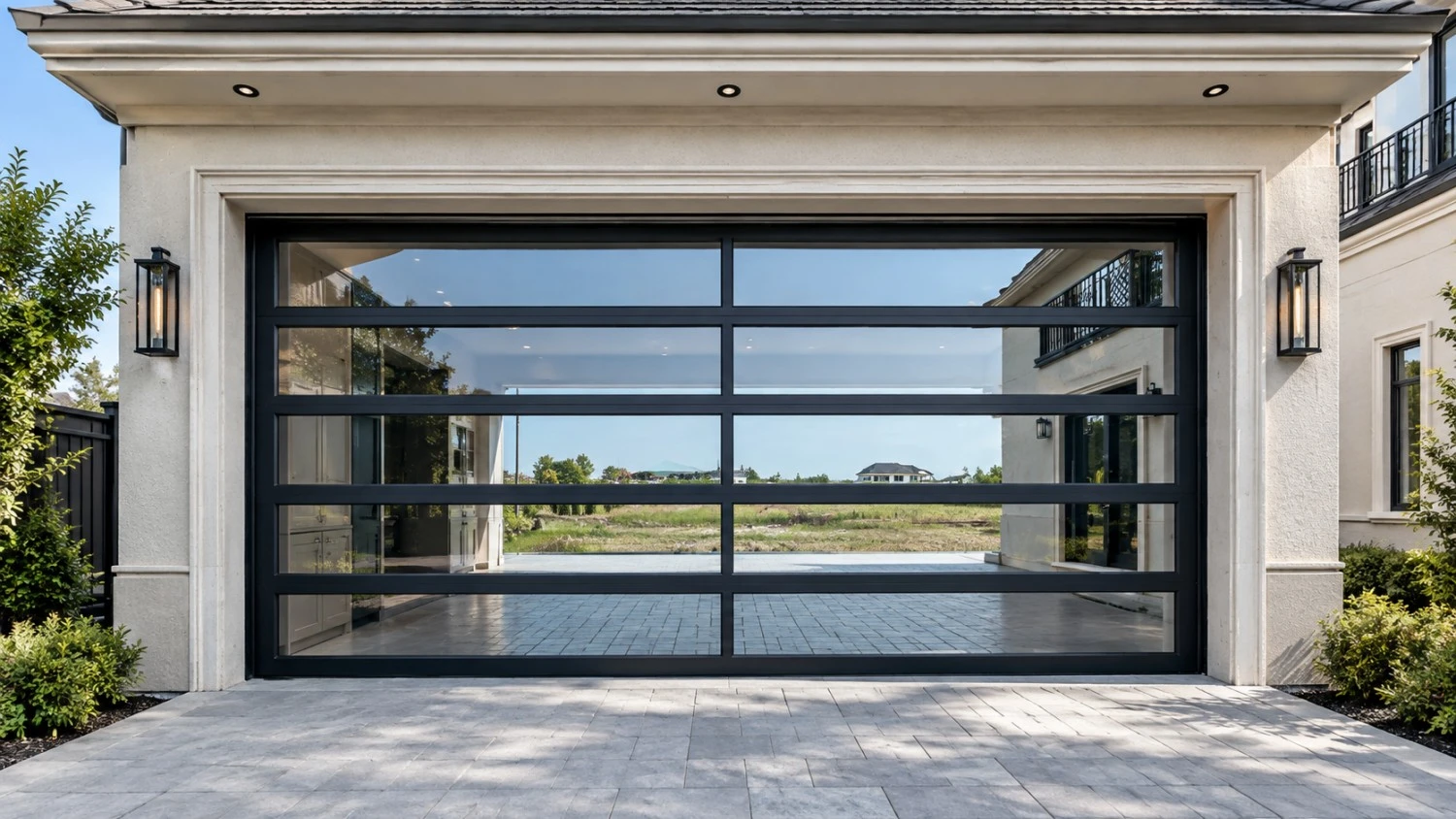
What Are the Main Types of Glass for Garage Doors?
The most common options include tempered glass, laminated glass, insulated glass units, clear glass, tinted glass, and frosted glass. These terms do not all describe the same property. Tempered and laminated refer to glass construction, insulated glass describes a multi-pane assembly, and clear, tinted, and frosted describe appearance or visibility.
Understanding this difference helps buyers specify the right configuration rather than choosing glass by appearance alone.
Tempered glass is heat-treated to increase its resistance to thermal stress and mechanical impact compared with ordinary annealed glass of the same thickness. When it breaks, it typically fragments into small pieces rather than large, sharp shards.
For full-view aluminum garage doors, tempered glass is a common option where visibility and a clean appearance are important. It can also be combined with tinted or frosted finishes when the selected product configuration allows it.
Before specifying tempered glass, confirm the required thickness, panel dimensions, safety-glazing requirements, and compatibility with the door frame.
Laminated glass consists of two or more glass layers bonded with an interlayer, commonly polyvinyl butyral (PVB). If the glass breaks, the interlayer helps hold many fragments in place.
This construction may be suitable for projects with specific safety, security, or glass-retention requirements. The actual performance depends on the complete glass assembly, including the glass layers, interlayer, thickness, and installation details.
Laminated glass should not automatically be treated as interchangeable with tempered glass. Each option serves different purposes, and the appropriate specification depends on the applicable building code and project requirements.
Insulated glass units typically contain two or more panes separated by a sealed space filled with air or, in some configurations, an insulating gas. They are used to reduce heat transfer through the glazing compared with a comparable single-pane assembly.
For garages attached to homes, conditioned workspaces, or buildings in climates with large temperature changes, insulated glazing may be worth considering.
However, the glass unit is only one part of the door's thermal performance. Frame construction, panel joints, perimeter seals, and the installation also affect heat loss and air leakage. Ask the manufacturer for performance data for the complete door configuration rather than relying on the glass description alone.
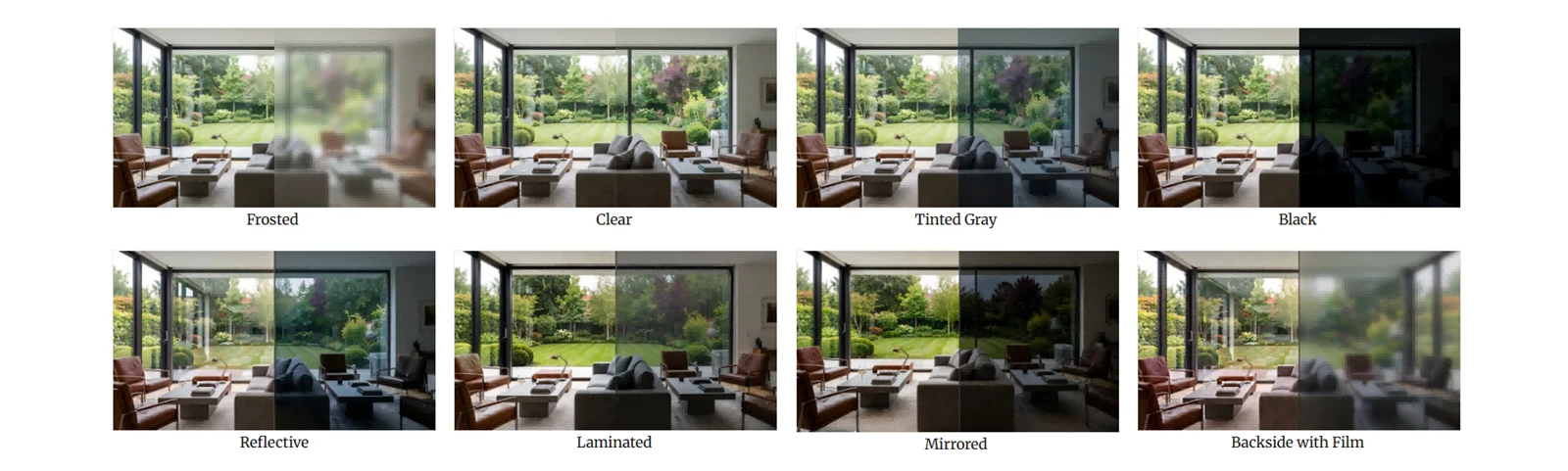
These options mainly affect appearance, visibility, and privacy.
✅ Clear glass: Provides an open view and allows people to see into or out of the space.
✅ Tinted glass: Changes the visible color and light transmission of the panels. Performance varies by glass type and tint.
✅ Frosted or obscure glass: Diffuses the view through the panel while allowing some natural light to enter.
✅ Reflective glass: Uses a reflective surface or coating to change the appearance and solar performance of the glazing, depending on the specified product.
For a residential garage facing the street, tinted or frosted glass may offer more privacy than clear glazing. For an automotive showroom, clear glass may be preferred to display vehicles. The final choice should match the building's design, privacy requirements, and local conditions.
How Do Different Garage Door Glass Types Compare?
The following table summarizes the main differences. Actual performance depends on the glass specification and the complete door assembly.
| Glass type or finish | Main characteristic | Common project consideration |
|---|---|---|
| Tempered glass | Heat-treated glass with improved resistance to thermal stress and impact | Safety glazing and general full-view applications |
| Laminated glass | Bonded layers with an interlayer that helps retain broken fragments | Projects with specific glass-retention or safety requirements |
| Insulated glass | Multiple panes separated by a sealed insulating space | Thermal performance and noise reduction |
| Clear glass | High visual transparency | Showrooms, modern homes, and display areas |
| Tinted glass | Changes light transmission and appearance | Glare, privacy, and facade coordination |
| Frosted glass | Reduces direct visibility | Garages facing streets or neighboring properties |
| Low-E glazing | Coating designed to control heat transfer and solar energy | Projects with defined thermal or solar-control requirements |
These categories can overlap. For example, an insulated glass unit may use clear or tinted panes, and the specified glass may incorporate safety-glazing features. Confirm the available combinations with the glass full view garage door manufacturer before finalizing a specification.
What Should You Consider When Choosing Garage Door Glass?
Glass selection should start with the project's requirements. A garage used for vehicle storage may have different needs from a restaurant frontage, a car showroom, or a modern residential building.
Start by deciding how much visibility the opening should provide.
Clear glass suits applications where the interior is intended to remain visible. Frosted or obscure glass reduces direct visibility while still allowing light through. Tinted glass changes the appearance and light transmission, but the actual privacy level depends on the glass and lighting conditions.
For commercial projects, consider both daytime and nighttime use. A glass panel that appears private in daylight may offer less privacy when the interior is brightly lit after dark.
If the garage is attached to a home or used as a workspace, compare single glazing with insulated glass units. Also check the frame design, perimeter weather seals, and the complete door's documented thermal performance.
Low-E glass may be suitable where solar heat gain or heat transfer is a concern. The right specification depends on the local climate, orientation of the opening, and whether the garage is heated or cooled.
Avoid comparing glass options on energy performance alone. A better glass unit cannot compensate for poor sealing or an unsuitable door design.
Garage doors move repeatedly and contain mechanical components, so the glass must suit the intended application and door construction.
Check whether the project requires tempered, laminated, or another approved safety-glazing configuration. Requirements can vary with the building location, glazing position, and intended use.
Also confirm the compatibility of the glass weight and dimensions with the door panels, hinges, tracks, springs, and operating equipment. A change in glass specification can affect the overall door design and should be reviewed before production.
The glass is only one part of the finished door. Aluminum frame color, panel proportions, horizontal divisions, and the surrounding facade all affect the final appearance.
For contemporary homes, narrow frame lines and clear or tinted glazing may complement the architecture. Commercial buildings may require a different balance between visibility, privacy, and the visual consistency of multiple openings.
When comparing options, review the glass and frame together rather than selecting each component separately.
4. Why Custom Glass Garage Doors Need More Than a Glass Selection
Standard glass options may suit straightforward openings, but many architectural and commercial projects require a closer match between the door and the building.
A custom glass garage door may involve adjustments to:
✅ Opening dimensions: Door width and height must match the site measurements and installation conditions.
✅ Glass type: The specification should reflect visibility, safety, thermal performance, and project requirements.
✅ Aluminum frame finish: Color and finish should coordinate with windows, cladding, and other exterior elements.
✅ Panel layout: Panel proportions and divisions affect both appearance and the final door construction.
✅ Operating hardware: Tracks, rollers, hinges, springs, and the opener must suit the door's design and weight.
✅ Project quantities: Multiple openings may require consistent dimensions, finishes, and documented specifications.
These decisions are easier to manage when the design and manufacturing teams review them before production starts.
For distributors, contractors, developers, and architectural project teams, a custom glass garage door supplier should be able to clarify available configurations, review project drawings, and confirm which requirements can be met by the proposed product.
Working With a Glass Garage Door Manufacturer in China
For overseas buyers, the choice is not limited to selecting glass. It also involves the source of the door, the level of customization available, the coordination required, and the total project cost.
A U.S.-made garage door may suit buyers who prioritize domestic production or local service arrangements. For other projects, sourcing directly from a glass garage door manufacturer in China can offer a different cost structure, particularly when the buyer needs customized products or multiple doors for a development.
The key is to compare the complete offer rather than the unit price alone.
Buying directly from a manufacturer can reduce the number of commercial intermediaries involved in the supply chain. Depending on the order and specifications, this may provide more flexibility in coordinating glass options, aluminum frame finishes, panel layouts, and production requirements.
MarkRod supplies custom garage door products and provides product information for full-view aluminum glass garage doors. Buyers can review the available configurations through the glass full view garage door product page and discuss project-specific requirements with the team.
For OEM projects, the agreed design, drawings, finish requirements, and product specifications should be confirmed before production. Buyers should also verify minimum order quantities, lead times, packaging, shipping terms, and quality inspection arrangements for their order.
Working with one manufacturing partner can simplify communication when a project involves several custom requirements. Instead of coordinating glass specifications, frame finishes, panel layouts, and production details through separate suppliers, buyers can discuss the requirements with one team.
For suitable projects, the process can cover design coordination, product customization, manufacturing, quality checks, export preparation, and after-sales technical support. Installation arrangements and on-site maintenance should be confirmed separately according to the destination market and project scope.
This matters to wholesalers and contractors managing several openings or projects at once. Clear drawings, approved samples or finish references, documented specifications, and an agreed inspection process help reduce misunderstandings before shipment.
A lower factory price is useful only when the product specification, delivery arrangements, and support responsibilities are also clear.
What Should Buyers Confirm Before Ordering Custom Glass Garage Doors?
Before placing a bulk or project order, confirm the following details with the manufacturer:
✅ Glass specification: Glass type, thickness, finish, safety requirements, and any insulated glazing requirements.
✅ Door dimensions: Opening width and height, panel layout, and site-specific restrictions.
✅ Frame and finish: Aluminum frame configuration, color, surface finish, and approved samples where needed.
✅ Hardware compatibility: Tracks, rollers, springs, hinges, opener, and safety features appropriate to the proposed door.
✅ Performance requirements: Any required thermal, wind-load, impact, or other test data applicable to the project.
✅ Commercial terms: Order quantity, production lead time, packaging, shipping arrangements, warranty, and spare parts.
✅ Installation and maintenance: Installation responsibilities, technical documentation, troubleshooting support, and the availability of replacement components.
For projects in the United States, the buyer should confirm the applicable local building codes and required product documentation. Do not assume that every glass configuration or imported door automatically meets the requirements of every jurisdiction.
A reliable custom glass garage door manufacturer should be able to explain the available product options and identify which specifications need further technical review before production.
FAQ
There is no single best option for every project. Tempered glass is commonly used for safety-glazing applications, laminated glass helps retain fragments after breakage, and insulated glass can improve thermal performance. The right choice depends on the opening, building use, applicable codes, and required performance.
Yes, where the selected door design supports frosted or obscure glazing. It reduces direct visibility while allowing some natural light through. Confirm the available glass finishes and their appearance before ordering.
Insulated glass can reduce heat transfer through the glazing, but the complete door's performance also depends on the frame, seals, panel joints, and installation. Request documented performance data for the proposed configuration if energy performance is important.
Many custom glass garage door designs allow buyers to select glass appearance and frame finishes together. The available combinations depend on the manufacturer's product range and technical requirements. Confirm the glass options, finish samples, dimensions, and panel layout before production.
Factory-direct sourcing can reduce intermediary costs and may provide more flexibility for customized or bulk orders. The final landed cost also includes shipping, duties, insurance, handling, installation, and any required compliance work. Compare complete quotations rather than factory prices alone.
The available support varies by supplier and contract. Confirm warranty terms, technical documentation, spare-part availability, troubleshooting assistance, and who is responsible for local installation and maintenance before placing the order.
Choose the Right Glass Configuration for Your Project
The right garage door glass should meet the project's requirements for visibility, privacy, safety, thermal performance, and architectural design. The frame, panel layout, hardware, and installation details need the same attention.
For distributors, contractors, and developers sourcing custom products, MarkRod can discuss glass full-view garage door configurations, customization requirements, and manufacturing arrangements. Share your opening dimensions, preferred glass appearance, frame finish, order quantity, and project drawings to review the available options.
Explore custom glass full-view garage doors or visit MarkRod to discuss your project.